Tag Archive for: attorney

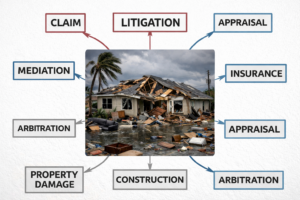
Florida’s first-party property litigation landscape has changed dramatically over the past few years. Pre-suit requirements are stricter, fee shifting has almost disappeared and summary judgment is elusive at best. These changes have altered one central question: When is the right time to mediate? Unfortunately, there is no universal answer. Timing now depends on leverage, risk tolerance, and how fully the factual record has developed.

Mediation Before Appraisal

In disputes where coverage is admitted but scope and pricing are contested, early mediation can still work. Particularly where both sides recognize that appraisal is inevitable, mediation can frame parameters and narrow issues before additional costs are incurred.

However, when causation is disputed, appraisal may not resolve the true conflict. As clarified in Johnson v. Nationwide Mutual Insurance Co., 828 So. 2d 1021 (Fla. 2002), coverage issues remain judicial questions. Mediation before those issues crystallize may result in positional bargaining rather than a meaningful risk analysis that could lead to settlement.

Strategic takeaway: Early mediation works best when the dispute is economic, not legal.

The DFS Mediation Program: An inexpensive and commonly misunderstood option

Florida’s Department of Financial Services administers a voluntary mediation program under §627.7015 for personal lines and commercial residential property insurance claims. It is available before appraisal or litigation, the insurer bears the cost, and insurers are required to notify policyholders of the program when a claim is filed. DFS mediation under §627.7015 is a voluntary option. What is mandatory is the pre-suit notice of intent to initiate litigation under §627.70152, which requires the claimant to file a notice with the DFS at least 10 business days before filing suit. A recent case notes that this notice of intent can also be retroactive. See generally Universal Property and Casualty v. Griffin, 51 Fla. L. Weekly D352B  (4th DCA 2026).  The insurer must respond in writing within that window, either with a settlement offer or a demand for appraisal. That is a notice-and-response requirement, not a mediation requirement.

The distinction matters strategically. In a DFS Mediation, if a settlement is reached, the policyholder has three business days to rescind assuming certain parameters are met. But the process is informal, conducted through DFS-appointed mediators, and designed to resolve disputes without adversarial proceedings. For straightforward scope-and-pricing disputes, particularly in personal residential claims, it can produce early resolution at minimal cost.

However, DFS mediation usually occurs before the factual record has been fully developed. There are usually no depositions, expert reports, and no litigation pressure driving the insurer’s evaluation. For complex claims or disputes involving causation, the program often lacks the information density needed for meaningful negotiation or resolution.

Strategic takeaway: DFS mediation is a useful early option for straightforward disputes, but counsel should not confuse it with a pre-suit requirement or treat it as a substitute for litigation-stage mediation in complex cases.

Mediation After Key Depositions

Adjuster, expert, corporate representative and claimant depositions frequently shift settlement value. When testimony clarifies claim handling decisions or exposes weaknesses in expert opinions, parties can reassess risk. Under Florida’s alignment with the federal summary judgment standard FRCP 1.510, trial risk has increased. A well-timed mediation after fact depositions but before expensive expert discovery often produces the most rational evaluation.

Strategic takeaway: Mediate when uncertainty narrows but before costs escalate.

Mediation During the Civil Remedy Notice Period

Section 624.155(3)(d) creates a 60-day cure window. As explained in Talat Enterprises, Inc. v. Aetna Casualty & Surety Co., 753 So. 2d 1278 (Fla. 2000), the insurer’s payment of contractual damages within that window can preclude a statutory bad faith action. Mediation during this window can be powerful. It allows both sides to explore resolution without committing to entrenched litigation strategy.

Strategic takeaway: CRN-period mediations require a fully developed factual presentation.

Post-Summary Judgment Hearing

The 2021 summary judgment standard has increased judicial willingness to resolve coverage disputes pre-trial. A pending dispositive motion often creates the sharpest settlement clarity. If the ruling defines the case’s trajectory, mediation immediately before the hearing can avoid unnecessary appellate risk. If the ruling will likely deny relief, mediation immediately can recalibrate expectations.

Strategic takeaway: Summary judgment deadlines create natural settlement inflection points.

The Economic Reality After Fee Reform

With the repeal of §627.428 through House Bill 837 (2023), both plaintiffs and carriers evaluate cases differently. Without one-way fees, plaintiffs must weigh litigation costs against potential net recovery. Carriers evaluate defense spending against exposure without automatic fee multipliers. This economic shift makes mediation more effective when both sides have concrete budgets and litigation forecasts, not speculative projections.

Strategic takeaway: Both sides need to understand their true economic impacts to make the most of mediation.

The Mediator’s Role in Timing

Timing is not merely procedural; it also has an economic and psychological impact. Early mediations often test credibility and assessment systems. Mid-case mediations test endurance. Late mediations test risk tolerance and trial strategies.

The most productive sessions occur when the parties understand their evidentiary strengths and weaknesses, the legal issues are framed but not conclusively decided, and litigation costs have become real but not yet irretrievable. In today’s Florida property litigation environment, mediation is most effective when it follows strategic development rather than procedural scheduling.

Conclusion

There is no universally “correct” moment to mediate a first-party property case. But there are clearly identifiable leverage points.

  • Early for economic disputes.
  • Mid-case for factual clarity.
  • Pre- or post-summary judgment for legal distinction.

Understanding those phases allows counsel to use mediation not as a docket event, but as a deliberate strategy.​​​​​​​​​​​​​​​​

Mediation in Florida is a decision event, not just a docket event.

Florida’s court ordered mediation framework is designed to encourage a real settlement conversation while parties can still control the outcome. When lawyers treat mediation as a procedural checkpoint or just something that must be done in the early stages of a case, the session predictably becomes performative and ineffective. The result is often an “impasse” that leads to additional litigation and costs that could have been avoided. These cases will frequently settle, but later in litigation after additional costs and time are spent- that could have been avoided. Florida courts and legal commentators have long emphasized that mediation is party driven, and that “impasse” is not the only off ramp when the room is close to a settlement but still stuck in certain positions[1]. While there are common mistakes and problems that occur in mediation, there are also solutions to these issues that can still lead to a productive settlement.

The 1st and most common mistake is arriving without a clear understanding of what it will take for a party to settle or without the people who hold the authority to settle.

In Florida civil cases, parties and their required representatives are expected to attend with authority consistent with the court’s order and the mediation rules. When the “real” decision maker is absent, or authority is limited to a number that cannot move past a certain point, the session becomes an exercise in futility. The parties and/or representatives at the mediation can no longer truly continue to negotiate as they are limited. Florida appellate courts have repeatedly upheld sanctions for failure to appear at mediation without good cause and have treated “appearance” and compliance as serious obligations, not just formalities. See Fla. R. Civ. P. 1.720 (2026); Carbino v. Ward, 801 So. 2d 1028 (Fla. 5th DCA 2001);  Physicians Protective Tr. v. Overman, 636 So. 2d 827 (Fla. 2d DCA 1994); Alvarez v. Citizens Prop. Ins. Corp., 325 So.3d 231 (Fla. App. 2021). Even technical mistakes such as filing a certificate of authority untimely can lead to sanctions but not necessarily a dismissal. See H & R Block Bank v. Perry, 205 So.3d 776 (Fla. App. 2016).

The practical takeaway from a review of these cases is simple. If authority is complicated, have a plan at the ready: Follow the rules as to what may be required, confirm who is attending and what authority they hold, and how additional authority will be obtained if needed.

The 2nd most common mistake is negotiating without a valuation model that the client understands.

Parties cannot and do not settle what they cannot value or understand. This shows up in every practice area, but it is especially acute in personal injury, employment, construction, property damage, and commercial cases where risk assessment depends on incomplete facts, competing experts, and subjective facts such as juror temperament or social influences. Mediation literature and research have noted that principled negotiation works best when parties separate people from the problem and rely on objective criteria rather than emotion or escalation.[2] That core framework remains the most practical antidote to positional bargaining in a Florida mediation room.

The 3rd mistake is ignoring Florida’s confidentiality and privilege structure, then trying to litigate around it later.

Florida’s Mediation Confidentiality and Privilege Act provides broad confidentiality and privilege protections for mediation communications, with statutory remedies for knowing and willful violations.[3] Florida court decisions also explain why this protection exists and why it is continually enforced in Florida courts. Mediation “could not take place” if litigants feared that statements made during mediation would later be used as admissions against interest when settlement fails. See DR Lakes, Inc. v. Brandsmart U.S.A. of W. Palm Beach, 819 So. 2d 971 (Fla. 4th DCA 2002); Sun Harbor Homeowners’ Ass’n., Inc. v. Bonura, 95 So.3d 262 (Fla. App. 2012). This matters in practice. If a case turns on alleged mutual mistake, misrepresentation, or coercion, counsel must evaluate in advance what evidence will be available outside the confidentiality barrier. The instinct or desire to “prove what happened in mediation” is often legally unavailable or strategically self-defeating in Florida.[4]

The 4th mistake is leaving mediation with a deal “in principle,” then discovering it is not enforceable.

Florida requires endurance and discipline at the finish line of a mediation. Parties regularly assume that emails, term sheets, or handshake agreements may be enough to enforce an agreement allegedly reached at mediation. A settlement agreement is different from a release, final judgment, or other dismissal documents. The settlement agreement memorializes, in writing, the terms that the parties agree on to reach a resolution of the dispute in mediation. While the settlement agreement may reference other terms that must be met after mediation, it must memorialize the key terms agreed upon in mediation and it must be signed by the parties for it to be enforceable. Florida appellate courts have been clear that mediated settlement agreements must comply with the procedural requirements applicable to mediation settlements. Case law on this issue is also instructive. In Parkland Condo. Association, Inc. v. Henderson, the court held the settlement unenforceable because it resulted from mediation yet lacked the required signatures under the rule.[5] In family cases, mediated settlement agreements are also frequently attacked after the fact, often based on pressure narratives, incomplete disclosure, or buyer’s remorse. Florida courts routinely analyze whether the agreement should stand, and whether the challenge is supported by legally sufficient grounds rather than regret.[6] The practical rule to follow is to come into mediation with a draft settlement agreement or perhaps terms that a party wishes to have in it so you have it ready for review if you reach a settlement. Then, if you reach a deal in mediation, you are ready to reduce it to a complete written agreement that the parties all agree to and obtain the signatures required by the governing rule before anyone leaves. This is the safest and most effective way to avoid the dreaded “settlement remorse” which can undo carefully negotiated verbal agreements after the parties have left the mediation.

The 5th Mistake: When discussions are failing, Florida lawyers can use “adjournment” as a way to avoid “impasse.” Sometimes, a little bit of time can make a world of difference.

Florida’s mediation culture sometimes treats “impasse” as a clean ending, but it is not always the best ending. “Adjournment” or temporarily pausing the mediation can give the parties a bit of breathing room and time to review additional options. See Fla. R. Civ. P. 1.7120; Fla. R. Civ. P. 1.710(a). The most efficient way to use this option is to have a structured adjournment with a written continuation plan and a set ending date or time. That plan can identify what information is missing, who will provide it, and by what date. It should also be confirmed whether the parties will reconvene for a shorter second session with parties present, whether the mediator will conduct follow-up caucuses by phone or video, and whether last offers will remain open for a defined window. Adjournment can work when there is a clear end to additional efforts for negotiating. Another similar option – rescheduling or continuing the mediation to an additional day and time with parties present- is also often superior to declaring impasse when the barrier is fixable within days or weeks. Scenarios where this is possible include a pending expert opinion, lien confirmation, a coverage position, a key corporate approval, or final financial disclosures. Sometimes, once information like this is secured, a settlement is more likely. Thus, a continuation of the mediation can result in a more likely chance of settlement.

The hardest truth: A rushed ending can result in continued or future litigation.

If a case does not settle, the way it ends matters. If a case does settle, the way it is documented matters more. Florida courts have reversed overreaching sanctions in the mediation context when the trial court’s response did not fit the transgression, which is another reminder that mediation is procedural, but it is not casual. See H & R Block Bank v. Perry, 205 So.3d 776 (Fla. App. 2016). And when parties breach mediated settlement terms, Florida appellate decisions recognize that sanctions and enforcement mechanisms depend on the procedural posture and the governing rules. See Cox v. Great American Ins. Co., 88 So. 3d 1048 (Fla. 4th DCA 2012).

The Florida mediation mistakes and problems that cost the most are rarely about a difficult or stubborn opposing party. They are usually preventable issues: lack of authority, valuation ambiguity, client misunderstanding, unenforceable agreements, and an avoidable rush to “impasse” when an adjournment or reschedule would have preserved momentum and produced a deal. At Endeavor Mediation, we have experience in dealing with these issues and can assist in parties reaching a settlement even when it looks impossible.


____________________

[1] See generally Fran L. Tetunic, Mediation Myths and Urban Legends, Fla.B.J., May 2008, Vol. 82, No. 5 at 52; https://www.floridabar.org/the-florida-bar-journal/mediation-myths-and-urban-legends/

[2] The Program on Negotiation, Harvard Law School, “What is Principled Negotiation?”; https://www.pon.harvard.edu/tag/principled-negotiation/; Fisher, Roger, William Ury, and Bruce Patton. 2006. Getting to Yes, 2nd ed. New York, NY: Penguin Putnam

[3] § 44.401-406, Fla. Stat. (2025) ; https://www.flsenate.gov/Laws/Statutes/2025/Chapter44/All

[4] Maria S. Cohen, The Mediation Privilege, Fla.B.J. April 2013 Vol.87, No. 4 at 14.

[5]See Fla. R. Civ. P. 1.730 (2026); Parkland Condo. Ass’n., Inc. v. Henderson, 350 So.3d 484 (Fla. App. 2022); Dean v. Rutherford Mulhall, P.A., 16 So.3d 284 (Fla. App. 2009); Gardner v. Wolfe & Goldstein, P.A., 168 So.3d 1281(Fla. App. 2015); Mastec, Inc. v. Cue, 994 So.2d 494 (Fla. 3d DCA 2008); Fla. Stat. § 44.404.

[6]See Crupi v. Crupi, 784 So. 2d 611 (Fla. 5th DCA 2001); Gutierrez v. Gutierrez, 248 So.3d 271 (Fla. 3d DCA  2018).

As long as I can remember, the central question in each of the cases I handled on the civil side was “What is the value of this case? What would a jury award if it goes to trial?” As a mediator, I encounter this question every day, and since none of us can truly foresee what lies ahead, the answer remains uncertain. And to add another wrinkle of complication – settlement value – can be and is different – from what a jury or a judge may ultimately award. Assessing settlement value is challenging in any jurisdiction, to be sure. Yet our beautiful state of Florida adds additional layers of complexity that experienced trial lawyers encounter daily. Venue variability, economic disparities, jury discretion, evolving statutory frameworks, and procedural pressures all shape how cases resolve in practice in each geographic area. Across personal injury, property damage, employment, and construction disputes, settlement assessment requires more than just legal analysis. It requires an understanding of how Florida litigation actually functions on the ground and how it can change daily depending on what is happening in this state.

Florida is not a uniform litigation environment: Outcomes can vary significantly depending on where a case is tried. After not only having lived in various parts of this state, but also handled matters venued throughout its various and vastly different counties – it is a true statement to say that a case in Key Largo, FL will not be the same case in Niceville, FL. A matter venued in Miami-Dade, Palm Beach or Hillsborough may present a very different risk and valuation profile than the same case tried in Pinellas, Pasco, Escambia or Duval. Jury composition, local norms, and historical verdict patterns all influence how claims are received. In personal injury cases, perceptions of non-economic damages often differ substantially across venues. In employment litigation, attitudes toward employers, retaliation claims, and workplace policies vary by county and sometimes even by neighborhood. Construction disputes may be shaped by local familiarity with development projects, contractors, insurers, and the practical realities of large-scale construction. When settlement discussions rely on verdicts or expectations drawn from dissimilar venues, expectations can drift unless those differences are addressed directly.

Jury discretion further complicates settlement assessment in Florida: Jurors retain broad authority in determining damages, assessing credibility, and weighing expert testimony. In personal injury matters, even carefully developed medical causation evidence may be discounted or amplified depending on how a plaintiff is perceived. Property damage cases often turn on competing expert opinions regarding scope, causation, and repair methodology, with outcomes driven less by technical precision than by which narrative resonates most. Employment cases frequently hinge on credibility and storytelling rather than strict legal compliance. Construction disputes can involve complex schedules, change orders, and defect causation that are difficult for juries to fully absorb or understand, increasing outcome variability. Strong advocacy does not eliminate this uncertainty. It exists alongside it.

Florida’s statutory and procedural landscape also plays a meaningful role: Recent changes in comparative fault standards, attorney’s fee provisions, notice requirements, and presuit obligations continue to affect exposure and leverage, particularly in personal injury and property insurance litigation. In property damage cases, coverage disputes, appraisal outcomes, and policy interpretation can materially alter exposure well into the life of a case. Construction claims are frequently shaped by lien rights, notice compliance, and contractual dispute resolution provisions. Employment cases often involve administrative prerequisites and fee-shifting frameworks that influence risk on both sides. Settlement assessment benefits from revisiting these factors as cases evolve rather than assuming early evaluations remain fixed.

Emotion and personal investment are ever-present in Florida litigation: Injured plaintiffs may experience settlement discussions as failing to reflect the full impact of their injuries and lived experience. Florida’s expansive attorney advertising environment can also further shape expectations by anchoring values for claimants and jurors that differ sharply from how defendants (and insurers) assess exposure. Property owners may perceive disputes as challenges to their credibility or personal integrity. Employees frequently frame claims around dignity and fairness, not solely financial recovery. Contractors and developers may prioritize reputation, precedent, and the effect of outcomes on future business relationships. These perspectives are not only understandable, they also shape how risk is perceived and how proposals are received, particularly as litigation fatigue accumulates over time. Some Florida cases develop heightened conflict that further complicates resolution. Coverage denials, contentious employment terminations, publicly visible construction failures, and prolonged delays can intensify emotions and entrench positions. In these matters, settlement discussions may become intertwined with control, validation, or narrative dominance rather than financial exposure alone. Progress often requires attention to patience, respect, process and communication, not just numbers.

Successful settlement is the result of careful review and assessment: More reliable settlement assessment in Florida practice often comes from grounding discussions in venue-appropriate reference points and revisiting assumptions as discovery, motion practice, and expert development unfold. Addressing emotional dynamics openly, rather than treating them as distractions, allows parties to engage more constructively with risk. When discussions slow during mediation, it is frequently useful to pause and identify what is driving hesitation. Sometimes the focus has narrowed to an early number. Sometimes concerns about precedent or signaling dominate. Sometimes uncertainty about a difficult outcome has not been fully examined. Allowing space to clarify assumptions and reframe options can restore momentum without pressure.

Resolution in Florida litigation is not about abandoning principles or demonstrating weakness. It is about choosing certainty over volatility in an environment where outcomes remain inherently unpredictable. Alternative dispute resolution, particularly mediation, allows parties to evaluate Florida-specific risks and decide how much uncertainty they are willing to carry forward. Successfully navigating difficult cases requires thoughtful, deliberate strategies that meet parties and counsel where they are, with genuine curiosity about the positions they hold and the interests driving them. From that starting point, creative negotiation techniques can help loosen entrenched positions and move discussions toward a more neutral and productive space. This shift allows for meaningful dialogue, preserves party self-determination, and opens the door to options that more accurately reflect each party’s true interests. Mindset can also greatly influence success in mediation – sometimes it is important to consider “not yet” as the best option moving forward, rather than focusing on “this will never settle” or “not ever.” While one party may believe that “impasse” is the only answer after a few hours in mediation, frequently success in mediation is found after taking a short break or taking a few days or even weeks to continue exploring settlement options. I frequently compare this to a puzzle or a Rubik’s cube- keep shifting the pieces with patience and deliberation until you can find a fit that works.

When settlement value is approached as a structured evaluation rather than an all-or-nothing contest, mediation becomes an opportunity for informed, deliberate choice and durable resolution.

Atul Gawande’s The Checklist Manifesto was a revolutionary evaluation of how basic checklists and procedures can guarantee error free success time and time again.[1] Many of us may chafe at having to following a basic list of things to do, but his book makes a simple point: no matter how expert we are, a well-designed checklist helps us do the right things, in the right order, every time. In an era when our attention is scattered and the demands on our time are increasing by the minute, it is no wonder that critical errors in many fields are not only on the rise, they are increasingly becoming the norm. The legal profession is no exception and missing critical steps in a case are increasingly common. Unfortunately, these errors lead not only to increased stress for practitioners, but also to an increase in costs in the long run for not only clients, but also the professionals serving them. For this reason, following a checklist prior to mediation- whether it is basic or detailed- may not only save you from costly errors, it may also lead to a better settlement faster. The result isn’t duplicative or wasted effort- it’s fewer mistakes, clearer thinking, and better outcomes.[2]

Why Checklists and Procedures Lead to Repeated Success

Everyone wants to be successful, but why are some people and companies more successful than others? Why can some companies repeat their success over and over, while others are a “one hit wonder” that struggle or can never repeat their initial win? The secret lies not in the “flash in the pan” ideas, but in the daily grind of showing up and doing the right and the hard – and usually boring- thing over and over. There’s hard evidence behind that claim. The WHO’s 19-item surgical safety checklist, studied across eight hospitals worldwide, cut major complications and deaths significantly-proof that a short, disciplined list can change outcomes in complex, time-pressured environments.[3] Is that list boring? Sure it is. Is there temptation to skip some items? Sure there is. But studies show that repeatedly following that simple and boring list guaranteed successful outcomes. This is a concept that is repeated over and over- whether it is McDonald’s incredible success with their “Speedee Service System” or an Olympic athlete who achieves success due to their commitment to relentless practice and exercise no matter what else might be going on.[4]

Over time, many industries, from manufacturing to the military, have realized the necessity of having procedures in place to guarantee repeated success for deliverables. In Getting Things Done, David Allen also extols the many benefits of keeping to-do items on a list to be productive, instead of stressed and distracted. It frees the mind to concentrate on other issues while keeping a place for those “must get done” items.[5] Another seminal work on the value of following procedures and lists to free the mind for deep and concentrated work is Deep Work by Cal Newport. Published in 2016, this was one of the first in-depth discussions on how distraction is leading to increased error rates and the cost of those errors not only on our professional lives, but also in our personal lives.[6] Stolen Focus by Johann Hari, published in 2024, is one of the latest books on this increasingly important topic of how our attention is not only divided, but is also increasingly for sale to the highest bidder in the digital arena.[7] It appears that distraction is here to stay, and it is time to strategize both offensive and defensive plans of attack to continue to provide the best legal service possible.

Legal organizations have reached the same conclusion: “old-school” checklists streamline practice, improve teaming, and make knowledge shareable across a firm.[8] And in negotiation scholarship, robust preparation frameworks from Harvard’s Program on Negotiation show how structured pre-work creates value at the table.[9] Put simply: checklists make good lawyers not only great, but consistently successful. While mediation and arbitration are certainly different from surgery or flying an airplane, they are just as information-dense and decision-heavy. A checklist for case events such as Mediation or Arbitration keeps advocates focused on the moves that will actually move numbers or secure valuable information that can determine case outcomes. It also helps to reduce stress and limit the unknown variables that may affect the ultimate result of the case as litigation continues.

What to Put on a Mediation-Prep Checklist

So it’s clear that a pre-mediation checklist is not only helpful, but probably needed. The question becomes, what to put in that checklist? If it is too basic, you may miss key points and still end up with avoidable mistakes. If it is too detailed, it may be so onerous to follow that it will quickly be abandoned as useless. It’s beneficial to consider your working style and set yourself up for success. Thinking in modules or core concepts can help you tailor the list by case type (PI, employment, construction, commercial, insurance, etc.). Another idea is to consider whether the case could be tried in front of a judge or jury with what you have right now and whether you would win or lose? The answers to those questions can serve as a cornerstone upon which you can strategize what might be needed if the case does not resolve at mediation and whether mediation may in fact be truly your best day for that case.

  1. Core Case File & Facts
    • Pleadings, key orders, dispositive-motion posture, outstanding discovery issues
    • Brief chronology of the case and three strongest facts / three soft spots
    • Exhibits you would actually use at trial and possibly use at mediation (with page cites)
  2. Law & Risk
    • Elements, burdens, and jury instructions that really matter
    • Best case / neutral / worst case outcomes with probability ranges
    • Litigation budget vs. verdict and collection risk
  3. Numbers
    • Damages model or valuation worksheet
    • Verdict form draft
    • Interest, fees exposure, liens/Medicare/Medicaid offsets, insurance limits, coverage defenses
    • Tax or structuring considerations for settlement (annuities, QSFs, allocations)
  4. Parties, People, and Authority
    • Decision-makers who must attend (client, carrier, board designee, etc.) and their real authority
    • Confidential stakeholder concerns (reputational risk, precedent anxiety)
    • Interpreter, accessibility, or tech needs for remote sessions
  5. Offers Strategy
    • Anchors, concessions plan (what/when/why), and walk-away position(s)
    • Cross-offer contingencies (e.g., “If they do X, we can move Y”)
    • Non-monetary terms you will trade (reference letters, transition support, training, confidentiality clauses, etc.)
    • BATNA/WATNA Reality Testing
    • Your credible next steps if no deal (hearing dates, litigation budget and spend, trial posture and date)
    • Their potential next steps and how you’ll explain them in caucus
  6. Ethics & Confidentiality
    • Mediation privilege, confidentiality rules, and local practice requirements
    • Informed-consent talking points with client (process, caucus norms, mediator’s role)
  7. Mediation Summary or Brief
    1. can help mediator unlock value
  8. Logistics
    • Venue/Zoom links, room plan, whiteboard/pads, chargers, print vs. e-signature
    • Food breaks (hungry clients make bad decisions), parking, travel buffers
  9. Settlement, Term Sheet & Closing
    • Pre-drafted term sheet or settlement agreement with blanks- this can be key to avoid blowing up an almost secure settlement
    • Authority to sign; e-signature plan
    • Scope of must have terms for releases such as lien language, no admission clauses, tax language, confidentiality carve-outs, enforcement forum, etc.

Now that we have core concepts in place, how about a detailed step by step checklist that you can use for your case? Again, it depends a lot on your practice style, how your office is structured and your work habits. There are many checklist examples online, and this footnote lists some of them for your reference.[10] But if you want to continue to DIY it for your own use, here are some ideas:

How to Build a Checklist That Works

  1. Keep it short and concrete. 25 to 40 items across the modules above is plenty. Each line should be a do/verify action (i.e. “Confirm lien payoff amount and statutory basis”), not a paragraph. This mirrors why aviation and medical lists succeed: brevity + clarity.[11]
  2. Create “pause points.” Insert natural stops (pre-brief, pre-opening, pre-first offer, pre-closing) where you deliberately run the list and recalibrate.
  3. Assign ownership. Put initials next to each item (partner/associate/assistant/adjuster). Checklists fail when they belong to “everyone” and, therefore, to “no one.”
  4. Make the numbers visible. Build a one-page valuations sheet you can update live as information shifts and keep an eye on midpoints, that can sometimes signal a soft landing for both sides.
  5. Tailor by matter type. Maintain a master list and spin off variants (e.g., bodily-injury, employment, commercial lease, construction, real estate, etc.) so you don’t have to waste time and reinvent the wheel.
  6. Test in low-risk matters first. Pilot or test the checklist in routine conferences; change as needed and iterate after each use.
  7. Train the team. Bring your staff in on using the checklist and get their feedback. Change the tasks as needed.
  8. Design for the room you’ll be in. If you mediate by Zoom, add tech checks; if in person, add print/signer logistics. (Nothing kills momentum like hunting for a charger during the final move or finding out you can’t print the settlement agreement when you need to.)
  9. Close with a written settlement agreement or term sheet- always. Bring your own template and fill it as you go. Know your local rules and case law- an unsigned agreement can kill the whole mediation.
  10. Do a post-mortem. After each mediation, spend five minutes updating the checklist based on what helped or hurt. That’s how it becomes an asset of your practice, not a one-off document.

Free for Your Use:  Mediation Prep Mini-Checklist

  1. Book Mediator and confirm virtual or in-person.
  2. Confirm attendance & authority (client/insurer/board memebrs, etc.).
  3. Update case chronology + top 3 facts/risks.
  4. Consider jury instrauctions and/or draft verdict form.
  5. Valuation sheet (best/neutral/worst; fees to verdict).
  6. Liens/offsets/coverage confirmed.
  7. Confidential client brief on process & roles.
  8. Confidential phone conference with mediator if beneficial.
  9. Mediation statement sent & exhibits pared to essentials.
  10. Agenda & process agreed with mediator.
  11. First-offer anchor and concessions plan set.
  12. BATNA/WATNA scripts/plans for each caucus.
  13. Non-monetary trades pre-approved.
  14. Logistics: room/Zoom, tech, food, printers.
  15. Draft settlement or term sheet loaded with blanks.
  16. E-signature and payment mechanics ready.
  17. Press-line or confidentiality language sorted.
  18. Post-mediation debrief scheduled.

Used consistently, a checklist like this reduces preventable mistakes, sharpens strategy, and consistently provides more predictable outcomes. For a quick downloadable version, check out our Resources page above. Especially in Florida, where Case Management Orders are bringing cases to trial within 18 months, a checklist like this helps to ensure that mediation will be the best day for the case. That’s the quiet power of a good checklist.

______

[1] Atul Gawande, The Checklist Manifesto, 2009; https://atulgawande.com/book/the-checklist-manifesto

[2] Atul Gawande, The Checklist Manifesto, 2009; https://atulgawande.com/book/the-checklist-manifesto

[3] Atul Gawande, The Checklist Manifesto, 2009; https://atulgawande.com/book/the-checklist-manifesto

WHO Surgical Safety Checklist, 2009; https://www.who.int/docs/default-source/patient-safety/9789241598590-eng-checklist.pdf; A Surgical Safety Checklist to Reduce Morbidity and Mortality in a Global Population, Alex B. Haynes, M.D., M.P.H., Thomas G. Weiser, M.D., M.P.H., William R. Berry, M.D., M.P.H., Stuart R. Lipsitz, Sc.D., Abdel-Hadi S. Breizat, M.D., Ph.D., E. Patchen Dellinger, M.D., Teodoro Herbosa, M.D., for the Safe Surgery Saves Lives Study Group; New England Journal of Medicine January 2009; https://www.nejm.org/doi/full/10.1056/NEJMsa0810119

[4]Christopher Klein, How McDonald’s Beat Its Early Competition and Became an Icon of Fast Food, (May 15, 2015), HISTORY; https://www.history.com/articles/how-mcdonalds-became-fast-food-giant

[5] David Allen, Getting Things Done, 2001 and 2015,; https://gettingthingsdone.com/

[6] Cal Newport, Deep Work: Rules for Focused Success in a Distracted World, 2016,; https://calnewport.com/deep-work-rules-for-focused-success-in-a-distracted-world/

[7] Johann Hari, Stolen Focus: Why You Can’t Pay Attention, 2024; https://stolenfocusbook.com/

[8] Daniel Siegel and Pamela Myers, How old-school checklists can help you better serve clients, ABA Webinar;

https://www.americanbar.org/news/abanews/publications/youraba/2017/october-2017/use-the-old-school-way-to-streamline-your-practice–make-checkli/

[9] Katie Shonk, A Negotiation Preparation Checklist, Harvard Program on Negotiation, August 20th, 2025; https://www.pon.harvard.edu/daily/negotiation-skills-daily/negotiation-preparation-checklist/

[10] John Lande, Real Practice Systems Project Menu of Checklists for Attorneys in Mediation, Center for the Study of Dispute Resolution University of Missouri School of Law, September 24, 2024; https://scholarship.law.missouri.edu/cgi/viewcontent.cgi?article=2246&context=facpubs;  The Advocate’s Mediation Checklist, https://www2.mediate.com/ICM/docs/Advocates%20Checklist%20for%20Mediation.pdf

[11] Atul Gawande, The Checklist Manifesto, 2009; https://atulgawande.com/book/the-checklist-manifesto


** External Links Disclaimer**

The appearance of external hyperlinks on this website does not constitute endorsement by Endeavor Mediation LLC of the linked websites or the information, products, or services contained therein. While all links provided are consistent with the mission of this website and every effort is made to present reputable resources, Endeavor Mediation LLC assumes no responsibility for the content or consequences of using these resources. The validity of linked content cannot be guaranteed, and use is strictly voluntary.

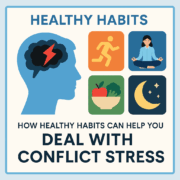
Thriving Under Litigation Stress: Exercise, Meditation, Sleep and Connection as Your Allies

May is Mental Health Awareness month, so let’s talk about stress and its effects! Litigators and trial lawyers are some of my favorite people because of the intense work ethic and bravery they have. Not only do they have to go to college, law school, and pass the bar exam- but then they must spend years honing the craft of persuasive argument while also practicing the delivery of that argument to seasoned litigators, judges, and lay people. It takes a special kind of person to be able to stand in front of a group of strangers in a court room, pour their heart out in argument for their position, and then wait in suspense as they decide whether to believe them or not. Waiting for a verdict can be some of the slowest moments a trial lawyer will ever experience in their life. But all that intensity sometimes comes at a price. The effects of that stress on the body eventually take a toll, especially as litigators grow in their careers.

Litigation – whether you’re the attorney or the client – can feel like an endurance test for both mind and body. The legal profession is notorious for its high-stress environment: lawyers juggle multiple cases, strict deadlines, and complex adversarial situations. The impacts of this stress do not stop with the attorneys, however, as the parties to the legal disputes also often experience chronic stress symptoms such as insomnia, impaired concentration, irritability, and even physical illness. Prolonged legal conflict can keep the body’s fight-or-flight response stuck in overdrive where stress hormones like cortisol and adrenaline flood our system, raising anxiety and wreaking havoc on health.

So, what can be done about it? Well, the good news is that science shows healthy lifestyle habits can act as powerful buffers against this stress. Regular exercise, meditation, sound nutrition, adequate sleep and meaningful connection with others can counteract the body’s stress response in unique ways. These aren’t just “feel-good” tips – they are evidence-based practices that calm the nervous system and build mental resilience. Below, we explore the science behind how each habit impacts your body’s response to stress and offer practical advice to fit them into a busy litigation lifestyle. Whether you’re a trial attorney facing the pressures of the courtroom or an individual battling through a high conflict lawsuit, these habits can help you stay calmer, clearer, and healthier when the stress is high.

Exercise: Physical Activity as Stress Relief

Breaking a sweat is one of the most effective natural stress remedies. When you exercise, your body chemistry changes in ways that blunt the stress response. Physical activity lowers levels of stress hormones like cortisol and adrenaline, while simultaneously boosting endorphins – the brain’s feel-good neurotransmitters. This surge of endorphins is what produces that post-workout “runner’s high,” a relaxed and optimistic feeling after moderate or intense exercise.[i] Exercise also helps the body practice dealing with stress by imitating the fight-or-flight response in a healthy context. Over time, regular aerobic exercise can reduce the physical effects of stress – for example, it lowers resting heart rate and blood pressure, improves your body’s stress tolerance, and protects against stress-related illnesses. Beyond the biochemical effects, there’s a psychological boost too. Hitting the gym or going for a run provides a mental timeout from legal worries. Focusing on weightlifting technique, a yoga pose, or simply the rhythm of your breath while running can pull your mind away from case anxieties and into the present moment. Regular workouts also improve self-confidence and sleep quality, both of which fortify you against daily stress. But how do you fit in the time to exercise when you are working all the time? Read below to find out!

Tips to Fit It In: Incorporating exercise into a busy, high-pressure work-life can be challenging, but it’s doable with some strategy:

  • Early Morning, Micro-Workouts or Transition: Everyone has a different schedule, so pick the time that works for you to be most successful at exercising. Whether you are an early riser or prefer to exercise after a stressful day, schedule the time so that it actually Another option is to do 10–15 minute “micro” workouts during work day breaks – these short bursts of activity can lower tension and re-energize your mind.[ii] A walking treadmill at your desk is also an easy way to get in additional steps.
  • Mix Enjoyment with Movement: Pick activities you actually enjoy so that exercise isn’t another dreaded task. Whether it is doing a spinning class with a friend or taking a hike in nature, it is important to associate positive feelings with the exercise in order to create the habit.
  • Stack it with Routine: Tie exercise to an existing daily habit. For example, walk your dog in the morning and take an extra loop, or do a set of body-weight exercises right after you log off your computer each evening. Embedding movement into your schedule makes you less likely to skip it when things get busy.

Mindfulness & Meditation: Training the Relaxation Response

When stress from conflict is sky-high, mindfulness meditation is like a pressure valve for your nervous system. While meditation is certainly having a popularity moment, it has been used for centuries in many various forms to elicit the relaxation response. During meditation (or deep breathing, yoga, prayer – any mindful relaxation technique), the parasympathetic nervous system is activated, sending your body a message that it’s safe to calm down. Heart rate and blood pressure drop, muscle tension eases, and brainwave patterns shift. But being calm is not the best side effect- regular meditation practice can lower stress hormone levels, promote clearer concentration, improve cognition, encourage creative thought and empathy- and also help to reduce reactivity. A regular meditation practice can truly offer not only a “calm in the storm,” but can also help provide those “eureka” moments that lead to professional success.

Tips to Fit It In: You don’t have to escape to a monastery or chant for 5 hours a day to reap the benefits of mindfulness. Here’s how busy professionals can weave meditation into their day:

  • Check out an App or Watch a Few Videos: There is a veritable plethora of information on how to meditate online. From free Meditation Apps to “how to” videos on YouTube or TikTok, it is easy to learn how to meditate. If structure is better for you, consider a meditation app with scheduled sessions. If you prefer less commitment, try watching a few videos or perhaps even just doing it on your own.
  • Start with a Few Minutes: Begin with just 3–5 minutes of quiet breathing each day. For example, while you have your morning coffee or while you sit at your desk, close your eyes, and focus on slow, deep breaths for a few minutes. Even short sessions can start training your relaxation response. As it becomes comfortable, gradually increase the time. What really matters is consistency, not necessarily length of time. The more often you do it, the quicker you can reach that “calm in the storm”. In the beginning, just aim to do it daily or at least a few times a week. Over time, with consistent practice, you can do lengthier sessions if you wish.
  • Breathing Breaks in High-Stress Moments: When you feel stress surging (heart pounding before a big hearing or anger rising during a contentious meeting), take a strategic timeout. Excuse yourself for a bathroom break or simply pause at your desk to do a one-minute breathing exercise: inhale for a count of 4, exhale for count of 4 or 6, and repeat. This kind of slow, extended exhale breathing activates the vagus nerve and quickly calms the sympathetic “fight or flight” response. After some time of consistent practice, these moments of awareness will become second nature and you can train your body to automatically relax.
  • Mindfulness in Routine Activities: Not all mindfulness looks like sitting on a cushion. You can practice being fully present during everyday tasks such as when walking or doing a basic task like washing the dishes. The focus is to be present and stop the mental muti-tasking or run away thoughts that have become so pervasive in our everyday lives. Sometimes by just being present, the body will calm down.

Sleep: Recovery for Body and Mind

Sleep is often the first casualty of high-stress periods like trial prep or waiting for a verdict. Ironically, it’s also one of the most crucial factors in managing stress and maintaining mental health. Quality sleep restores a sense of balance in the brain and body that nothing else can. During deep sleep, stress hormone levels naturally fall and the brain’s emotional circuits reset, which is why after a good night’s sleep we typically feel more stable and less reactive. On the other hand, even one sleepless night can send stress levels skyrocketing. There is a documented link between sleep deprivation and increased cortisol levels in the body, meaning your physiology is literally acting as if under attack when you haven’t had enough rest. Over time, poor sleep not only harms health and concentration, it also erodes your emotional resilience, making you more susceptible to anxiety, depression, and burnout. For lawyers and litigants, prioritizing sleep is not a luxury – it’s a necessity. Sufficient sleep (experts recommend 7–9 hours for most adults) improves cognitive functions critical to legal work: memory, focus, complex reasoning, and emotional regulation. It’s much easier to manage a heated negotiation or unexpected setback when you’re well-rested; you’re less likely to snap at others or make reckless decisions. Conversely, chronic sleep loss lead to slower reflexes and impaired reasoning. By getting regular, high-quality sleep, you allow your body to physically dissipate stress hormones and your mind to consolidate memories and reset mood. If there is one keystone habit for wellness under stress, sleep is it.

Tips to Fit It In: When you’re busy and stressed, making time for sleep and improving its quality will pay dividends. Here’s how to prioritize sleep even during a hectic litigation schedule:

  • Build Your Sleep Castle: Set the stage for recuperative sleep- review your bedroom environment and take an audit. Is it calming? Are there any disturbing lights? Is there ambient noise that can disturb your sleep? Are your bed and sheets comfortable? How is the temperature? Review your bedroom and make sure that it is truly the most calming place it can be. Sometimes that even means removing TVs or computers if they have lights that cause you to wake up.
  • Protect Your Time Window: Treat sleep as a non-negotiable appointment with yourself. Aim for a consistent bedtime and wake time, even if work is demanding. For instance, if you know you have to be up by 6:30 AM to get to court, try to have lights out by 11:00 PM at the latest. This might mean setting an alarm at night reminding you to start winding down by 9 or 10 pm at the latest. Avoid the temptation to steal hours from sleep to get just one more task done – chronic shortcuts here will cost you more in efficiency and well-being long term.
  • Create a Wind-Down Routine: It’s hard to go from the adrenaline of late-night trial prep straight into peaceful slumber. Develop a pre-bedtime routine that signals your brain it’s time to disconnect. This might include 30 minutes of reading (non-work related) or listening to calming music, taking a warm shower, doing gentle yoga stretches, or practicing a relaxation technique like deep breathing or progressive muscle relaxation. Many find it helpful to limit electronic screens in that last half-hour because blue light from devices can trick your brain into wakefulness. If the news or social media tend to get you down, resist the temptation to take your phone with you to bed- it can be hard to fall asleep after reading or watching content that causes stress. Consider dimming lights and keeping the environment cool and dark – setting the stage for quality sleep.
  • Manage Work and Naps Wisely: If you’re working very long hours, you might consider a power nap (15–20 minutes) in the afternoon to recharge – but be careful not to nap too late in the day or for too long, as that can interfere with nighttime sleep. Additionally, try to wrap up intense work a bit before bedtime. For example, stop reviewing deposition transcripts right up against bedtime; instead, switch to a lighter task or do your wind-down routine so your mind isn’t racing with arguments as you lie in bed. Jotting down any pressing thoughts or next-day priorities on a notepad before bed can also help “park” them so your brain can relax.
  • Address Sleep Problems Proactively: If stress is keeping you, don’t just accept sleeplessness as unavoidable. Use relaxation techniques at bedtime to help ease your body into sleep. Some people find white noise machines or phone apps with soothing sounds helpful to drown out a busy mind. Watch intake of caffeine, stimulants, and alcohol, especially late in the day. Surprisingly, caffeine can linger for hours, and while alcohol might make you drowsy, it fragments your sleep quality and can lead to fitful bouts of midnight waking. If insomnia or anxiety about sleep becomes persistent, consider reaching out to a healthcare professional for additional strategies. Remember, you can’t pour from an empty cup – getting the rest you need is one of the most effective ways to reduce stress and be at your best in the legal arena.

“Zoom Fatigue”: The Hidden Energy Drain

It’s not all in your mind- fatigue when using virtual video platforms is real and we are slowly learning why and how it happens as remote work and virtual hearings have become common in legal practice. While virtual meetings have made access to legal proceedings easier than ever, a new kind of exhaustion has taken center stage. Many attorneys, judges, legal staff, and clients alike report feeling drained after a day of virtual meetings. Stanford researchers have studied the phenomenon and identified four major contributors to this exhaustion: excessive close-up eye contact, constant self-viewing, limited mobility, and increased cognitive load required to process nonverbal cues over video.[iii]

Unlike in-person interactions, where our peripheral vision helps us absorb cues and body language naturally, video calls and virtual meetings require intense sustained focus on a small screen to interpret tone, facial expressions, and engagement – all while simultaneously managing our own appearance and background. This creates a kind of hypervigilance, triggering stress. Moreover, on video we often feel compelled to appear “on” at all times, which increases emotional labor.[iv] For trial lawyers used to the quick dynamic nature of courtrooms or conferences, this way of working can feel particularly unnatural. And for litigants or clients, attending virtual hearings or depositions from home can blur boundaries, increase distractions, and magnify stress.

Tips to Reduce Virtual Platform Fatigue:

  • Turn off self-view during calls when possible to reduce strain and subconscious anxiety.
  • Consider using a real background instead of blur. Early research on how backgrounds are perceived by virtual platform users indicates that viewers are consciously and subconsciously curious about what may be in the blurred background. This can cause other zoom participants to lose focus on what you are saying or showing as well.[v]
  • Schedule screen breaks between meetings if the meeting may go over an hour at a time.
  • Use phone calls instead of video when face-to-face isn’t essential.
  • Consider a sit/stand desk that allows you to get up from your chair even while you are on zoom.
  • If you have a wireless headset, you can take calls while walking around the room or at least stand.
  • Consider a desk walking pad, treadmill or under-the-desk cycle machine if you are tied to zoom for hours on end, such as for a deposition or meetings. It is easy to install these under a sit/stand desk and with proper camera positioning, you can move on the walking pad without it affecting how the camera captures you. Just a little bit of movement each hour can make a life altering difference to your energy level and physical
  • Have drinks and snacks handy if the meeting takes over an hour. Talk to the participants about mealtime expectations- don’t assume they will break for lunch or dinner!
  • Manage expectations and set clear start and end times for virtual meetings to protect boundaries.
  • Understanding and acknowledging video conferencing fatigue isn’t just about comfort – it’s about preserving mental bandwidth in a high-stress profession. The screen may be efficient, but it can come come at a neurological cost. Managing this kind of fatigue intentionally can help maintain clarity and composure, both during conflict and throughout your legal day

Connection: The Superpower Hidden within All of Us

While stress can cause many physical symptoms, it has many intangible effects as well. By far one of the most far-reaching is its ability to foster and encourage loneliness. When people are under stress, they naturally self-isolate out of fear or anxiety or just being plain overwhelmed. In addition, when countless hours are needed to finish complex projects or to prepare for a trial, it is to be expected that litigators and litigants alike will experience loneliness.[vi] But the legal profession is not alone in dealing with this issue, social disconnection has become so pervasive that numerous countries have appointed special ministers to combat what they consider the significant public health crisis of loneliness.[vii] Between the isolation caused by electronic devices, the discord prevalent over social and political issues, and the overwhelming demands of work, it is no wonder that many lawyers continue to feel the intense feelings of loneliness on a daily basis. However, as with the other effects of stress, this too can be changed with a few simple strategies.

Tips to Foster Connection:

  • Volunteer for something that you are passionate about: Sometimes loneliness is caused by not having others interested in the same topics you are. If you are passionate about art or dogs or something else- consider volunteering just a few hours a month with an organization in that area. You will soon meet like minded people that will connect with you in an area you enjoy.
  • Sports and Exercise: If exercise is one of your favorite stress relievers, consider doing it with a buddy. Whether it is a jogging partner, someone that can spot you on deadlifts or a pickleball buddy, having a partner doing a physical activity with you can not only help you exercise consistently, they can also foster connection and positive feelings.
  • Hobbies are not just for retirees: With the intense time commitment needed to be successful as a litigator, it can seem impossible to have a hobby. But being lonely can in and of itself become a hobby. Consider taking up an art class or gardening club – or perhaps doing something you have never done before such as Improv Comedy. Sharing a similar interest can foster connection and promote positive feelings that will far outlast the time spent on the activity.
  • Not every lunch needs to be at your desk: Its really easy to just sit at your desk for every meal- but those are lost opportunities to not only get some exercise but to also foster connections with coworkers or to maintain friendships with people outside of work. Whether it is just meeting for a 15 minute brown bag lunch or a two hour wine and dine- sharing a meal with others is a great way to reset the mind and create a buffer from the stress of work.
  • Smile and Say Hello: It can be hard to put yourself out there to make new friends or connections. There are a multitude of reasons why that might feel incredibly uncomfortable or anxiety inducing. But as anyone that has watched a class of kindergartners on the playground, at our core we all want to belong and we all just want to be friends. In her podcast, The Happiness Lab, Dr. Laurie Santos tackles the difficulties of making friends as an adult and offers a slew of strategies in her episode “The Secret to Making Friends as an Adult.”[viii] In another episode, she tackles specifically the challenges that introverts face when trying to make friends.[ix] So to quote Mr. Rogers, “Won’t you be my neighbor?”
  • Conclusion: Building Resilience in the Legal Arena
  • Chronic stress from legal conflict is a formidable opponent – it can wear down even the toughest individuals. But by proactively nurturing these four pillars of well-being (exercise, meditation, sleep and connection), you equip yourself with a personal toolkit for stress management. Think of it as strengthening your resilience muscle: each healthy habit reinforces your body’s natural defenses against stress. For lawyers, prioritizing wellness is not only about feeling better, but also performing better. A litigator who has worked out, eaten properly, slept well, and taken a moment to center themselves is going to be sharper and more composed than one running on junk food and four hours of sleep. And for clients, maintaining these routines can make the legal process less overwhelming, giving a sense of control amidst uncertainty. Of course, in busy seasons you might falter – a trial week might mean a missed workout or shorter sleep. That’s okay. The key is to build habits over the long run and return to them when you can. Even small steps, like a 5-minute meditation or choosing a salad over fast food, add up and signal to your body that it’s okay to relax.
  • In times of conflict, taking care of your physical and mental health is not indulgence, but essential self-care. As the research and experts remind us, managing stress through healthy habits isn’t just possible – it’s powerful. By integrating exercise, mindfulness, connection and sleep into your life, you’ll be better equipped to handle the pressures of litigation with a clear mind and steady nerves. In the end, reducing stress isn’t about eliminating conflict, but about strengthening yourself to face it. With these practices in your routine, you can walk into each day feeling more grounded, resilient, and ready for whatever challenges the legal battlefield brings.


For additional resources and information, please consider visiting:

—————–